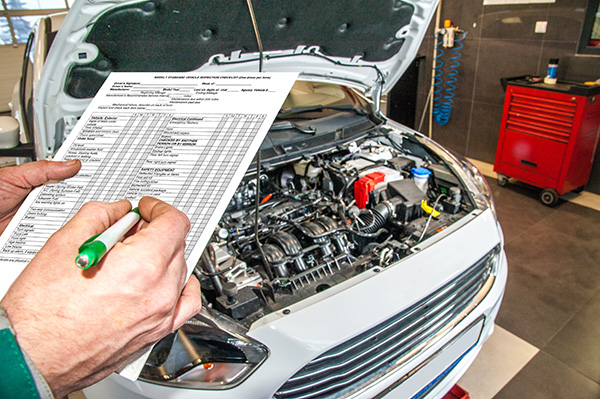
There is something exciting about getting ready for a trip. Maybe it is a weekend getaway, a visit with family, or a long summer drive with the kids packed into the back seat and snacks filling every cup holder. Whatever the reason, one thing is always true: the trip goes much more smoothly when your vehicle is ready for it.
We always recommend a pre-trip inspection before any longer drive. It is one of the simplest ways to reduce the chances of experiencing a breakdown, a warning light, or a last-minute repair when you are far from home. A vehicle may seem perfectly fine during short daily driving, but longer trips put more stress on tires, brakes, fluids, the battery, and the cooling system. Small issues that feel easy to live with around town can become much bigger problems once you're hours into a drive.
A pre-trip inspection is really about peace of mind. It gives you a chance to catch wear, leaks, or weak spots before they interrupt your plans. It also helps you feel more confident loading everyone into the car and heading out, knowing you took the time to check the things that matter most.
Start With The Tires
Tires are one of the most important parts of any pre-trip inspection because they affect safety, ride quality, fuel economy, and overall handling. They also happen to be one of the most common places where road trip trouble starts.
Before a trip, take a close look at tread depth and tire pressure. Uneven wear can indicate alignment or suspension issues, and low pressure can lead to poor fuel economy, reduced handling, and increased heat buildup on the road. If a tire is already worn thin, a long highway drive in hot weather is not going to do it any favors.
It is also worth checking for visible damage, such as cracks or bulges, or anything stuck in the tread. A tire that has been “probably fine” for daily errands may be a lot less reassuring once you are several hours from home.
Make Sure The Brakes Feel Right
Brakes are another must-check item before a trip. If you have been hearing squeaking, feeling vibration when stopping, or noticing that the brake pedal feels softer than usual, do not brush that aside because the vehicle still technically stops. Long drives, traffic, mountain roads, and extra passenger or cargo weight can put more strain on the braking system than your everyday routine does.
A pre-trip brake check should include how the brakes feel, how they sound, and whether the vehicle stops smoothly and confidently. If the pads are worn or the rotors are already showing signs of trouble, it is much better to address it before the trip than to hope it holds together until you get back. We always remind people that safe stopping is not something to gamble with.
Check The Fluids That Keep Everything Running
Fluids are easy to overlook because they tend to work quietly in the background. But when one gets low or starts breaking down, the consequences can show up fast. That is why checking fluids is a big part of any proper pre-trip inspection.
A few of the most important ones include:
- Engine oil for lubrication and engine protection
- Coolant to help prevent overheating
- Brake fluid for proper braking performance
- Transmission fluid for smooth shifting and transmission protection
- Power steering fluid if your vehicle uses it
- Windshield washer fluid for visibility on the road
Even something as simple as washer fluid matters more on a trip than people think. Long drives usually mean more bugs, more road grime, and more chances that you will need a clean windshield.
Do Not Ignore The Battery
A weak battery has a way of failing at the worst possible time. Maybe the vehicle starts fine in your driveway, but after a fuel stop, lunch break, or hotel overnight, it suddenly does not want to crank. That is not the kind of surprise anyone wants during a trip.
If your battery is older, if the engine has been cranking slowly, or if you have noticed dim lights or other electrical oddities, it is a smart idea to have it checked before you go. Batteries often give subtle warning signs before they fail, but those signs are easy to miss until the day the vehicle will not start. A quick battery test can tell you a lot and can save you from a roadside headache later.
Pay Attention To The Cooling System
The cooling system matters on every drive, but it is especially important on longer trips and in warmer weather. A small coolant leak, weak hose, or aging thermostat may not cause obvious trouble around town right away, but hours of highway driving can expose those weaknesses fast.
If your vehicle has been running warmer than usual, if you have seen coolant spots under it, or if you notice a sweet smell after driving, those are all signs worth addressing before a trip. An overheating issue can turn a simple travel day into a major repair situation in a hurry.
We would always rather inspect a potential cooling system issue early than see someone after the engine has gotten too hot on the road.
Wipers, Lights, And Visibility Still Matter
Pre-trip inspections are not only about preventing major breakdowns. They are also about everyday safety and comfort. That includes making sure you can see clearly and that other drivers can see you.
Check the condition of your wiper blades. If they streak, chatter, or leave missed spots, replace them before the trip. Also, make sure all headlights, brake lights, turn signals, and hazard lights are working properly. These are easy things to forget when you are focused on the bigger mechanical items, but they matter just as much once you are out on the road.
If you expect rain, dusty roads, bugs, or nighttime driving, these basics become even more important.
Test The A/C And Cabin Comfort
A road trip is a lot more enjoyable when the cabin stays comfortable. If the A/C has been weak, slow to cool, or making odd smells or noises, do not assume it will somehow improve once you are on vacation. Long drives with kids, older passengers, or a fully packed vehicle can feel a lot longer when the air conditioning is struggling.
A quick pre-trip check of the A/C, airflow, and cabin air filter can make a big difference. Even if it is not a breakdown issue, comfort matters when you are spending hours together in one vehicle.
The same goes for defrost performance if you are traveling in rainy or humid conditions. Clear glass is part of safe driving.
Listen To What The Vehicle Has Been Telling You
One of the best pre-trip inspection tools is your own experience with the car. Think about the last few weeks of driving. Has it been making a new noise? Pulling a little to one side? Smelling strange after driving? Hesitating when starting? Showing a warning light once in a while? These things are easy to shrug off when you are close to home, but they are worth taking seriously before a longer drive.
A pre-trip inspection is the perfect time to deal with those postponed issues. Very often, those are the problems that come back to haunt drivers on the road because they were already trying to get attention.
A Good Pre-Trip Checklist Covers The Basics
If you want a straightforward list of what to focus on, here are the main areas we recommend checking before travel:
- Tires, including pressure, tread, and visible damage
- Brakes, including noise, feel, and stopping performance
- Engine oil, coolant, and other important fluids
- Battery condition and starting performance
- Belts, hoses, and visible leaks under the hood
- Wiper blades, washer fluid, and lights
- A/C performance and cabin air flow
- Any warning lights, unusual sounds, or drivability changes
You do not need dozens of pages of maintenance notes to make a trip safer. You just need to make sure the key systems are ready for the extra miles ahead.
Get a Pre-Trip Inspection from Auto Pro
If you have a trip coming up, let Auto Pro in Reading, PA prepare for it. We can perform a pre-trip inspection, check the condition of your tires, brakes, fluids, battery, and more, and help you head out with greater peace of mind. Call us today or stop by to schedule your pre-trip inspection.