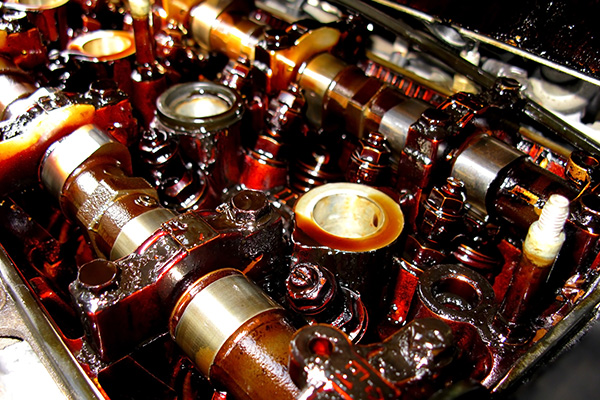
Skipping an oil change once does not usually blow up an engine overnight. That is why a lot of drivers get comfortable stretching the interval a little farther each time. The trouble is that every extra mile on worn oil quietly raises friction, heat, and sludge buildup, and the damage rarely shows until it is expensive.
Knowing what is happening inside the engine may change how you look at that little sticker on the windshield.
What Engine Oil Really Does Between Changes
Engine oil does more than just lubricate moving parts. It carries away heat, suspends dirt and soot, and protects metal surfaces with an additive package that fights wear and corrosion. Every time you start the car, tiny metal surfaces slide on a very thin film of oil instead of scraping directly against each other.
Over time, the additives get used up and the oil fills with microscopic debris and fuel that slipped past the rings. At first, the engine still feels fine. As the miles stack up, that worn-out oil cannot protect as well, and the internal parts pay the price long before you hear any unusual noises.
Why Delaying Oil Changes Is Riskier on Modern Engines
Many modern engines run hotter, tighter, and under more load than engines did a couple of decades ago. Turbochargers, direct injection, variable valve timing, and start-stop systems all ask more from the same thin oil film. The oil has to hold up to high temperatures around turbo bearings, precise timing components, and tight clearances.
When oil stays in service too long, it becomes thicker in some conditions and thinner in others, and varnish starts forming on hot surfaces. That combination is hard on timing chains, cam phasers, and small oil passages. We see far more timing and sludge-related issues on engines that have had long or irregular oil intervals than on those serviced on time.
Early Warning Signs Your Oil Is Overdue
A slightly overdue oil change usually does not shout for attention, but there are small hints. Common ones include:
- Oil that looks very dark and thin on the dipstick, with a strong burned smell
- Ticking or light tapping noises on cold start that last longer than they used to
- Higher than normal oil consumption between changes
- Performance that feels a bit lazier, especially in hot weather or heavy traffic
- The oil change reminder being ignored for weeks instead of days
None of these mean the engine is ruined, but they suggest the oil has been living a hard life and needs to be replaced before damage becomes permanent.
What Happens Inside the Engine When You Keep Driving
Once oil is past its useful life, wear speeds up in places you cannot see. A few of the trouble spots are:
- Camshafts and lifters that lose their protective film and start to score and pit
- Timing chains and guides that see more metal-on-metal contact and stretch sooner
- Piston rings that stick in their grooves from varnish and sludge buildup
- Small oil passages in cam phasers and variable timing components that plug with debris
- Turbocharger bearings that run hotter because thick, dirty oil cannot flow freely
Over many thousands of miles, this wear shows up as chain rattle, loss of compression, noisy valvetrain parts, or turbo failure. By the time those symptoms appear, simple oil changes are no longer enough to undo the damage.
Owner Habits That Quietly Shorten Oil Life
How and where you drive matters as much as the mileage number. Lots of short trips where the engine never fully warms up leave moisture and fuel in the oil. Heavy stop-and-go traffic, towing, or long periods of idling all count as severe use, even if the total miles are low.
Waiting until the dashboard reminder has been on for weeks, topping off instead of changing, or mixing random oil types and viscosities all work against the oil’s ability to protect. We have seen engines with low mileage but very tired oil because the car spent years doing nothing but short, cold runs around town.
Decision Guide: When To Schedule an Oil Change
As a simple rule, if you are past the recommended interval and the oil on the dipstick is very dark and thin, it is time. If the car sees mostly city driving or short trips, using the shorter “severe service” interval from the owner’s manual is usually the smarter choice. Engines with turbos or known timing chain sensitivity also deserve more conservative oil changes.
If you notice new noises on startup, rising oil consumption, or a check engine light related to timing components, do not keep stretching things. At that stage, an oil and filter change paired with a proper inspection can prevent the next step from being timing chain or internal engine work.
Get Oil Change Service in Reading, PA with Auto Pro
We see every stage of engine wear, from cars that come in right on time to engines that have been pushed far past their oil change intervals. We can match the oil type and schedule to how you actually drive, inspect for early leaks or wear, and help keep your engine clean inside instead of letting sludge do its work.
Call Auto Pro in Reading, PA, to schedule your next oil change and keep your engine protected for the long haul.