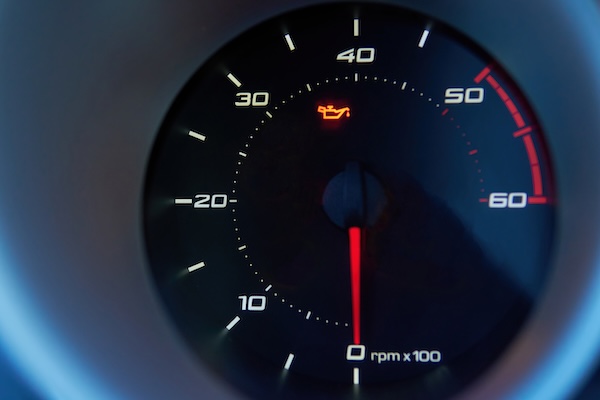
Few dashboard lights cause as much instant panic as the oil pressure light. It’s small, easy to miss at first, and often misunderstood, but it can be one of the most important warnings your vehicle gives you. Unlike a maintenance reminder or check engine light that might allow a little wiggle room, the oil pressure light is your engine’s way of saying something needs attention right now.
Understanding what this light means, why it comes on, and how to respond can make the difference between a simple fix and major engine damage.
What the Oil Pressure Light Is Telling You
The oil pressure light indicates that your engine isn’t maintaining proper oil pressure. Motor oil doesn’t just lubricate moving parts. It also helps regulate temperature, reduce friction, and prevent metal-on-metal contact. Oil pressure ensures that oil is being pumped efficiently through the engine to all critical components.
When pressure drops too low, oil may not reach the bearings, camshafts, or other internal components quickly enough. Even a short period of low oil pressure can cause accelerated wear. If ignored, it can lead to overheating, engine knocking, or complete engine failure.
It’s important to note that this light is different from a low oil level warning (if your vehicle has one). You can have plenty of oil in the engine and still have low oil pressure due to other issues.
Common Reasons the Oil Pressure Light Comes On
There are several possible causes behind an illuminated oil pressure light, ranging from minor to serious. Here are some of the most common:
- Low engine oil level: Oil leaks or oil consumption can drop the level below what’s needed to maintain pressure.
- Worn or failing oil pump: The oil pump is responsible for circulating oil. If it can’t do its job, pressure will drop.
- Clogged oil filter or oil passages: Dirty oil or extended oil change intervals can restrict flow.
- Incorrect oil viscosity: Using oil that’s too thin or too thick for your engine can affect pressure, especially in extreme temperatures.
- Worn engine bearings: As engines age, internal clearances can increase, causing pressure loss.
- Faulty oil pressure sensor or switch: Sometimes the warning is electrical rather than mechanical, but this should never be assumed without testing.
Because there are multiple potential causes, proper diagnosis is critical.
What to Do When the Oil Pressure Light Comes On
How you respond matters just as much as understanding the warning. If the oil pressure light turns on while driving, take it seriously.
First, safely pull over as soon as possible and shut off the engine. Continuing to drive—even for a short distance—can cause significant internal damage if oil pressure truly is low. Once the engine is off and has had a moment to settle, check the oil level using the dipstick if it’s safe to do so.
If the oil level is low, adding oil may temporarily help, but it doesn’t solve the underlying problem. If the level looks normal, do not restart the engine and hope for the best. This often indicates a deeper issue that requires professional inspection.
Restarting the vehicle and continuing to drive with the light on is one of the fastest ways to turn a manageable repair into an engine replacement.
Why Oil Pressure Issues Should Never Be Ignored
Oil pressure problems are often progressive. What starts as a small leak, clogged filter, or worn component can quickly escalate under normal driving conditions. Modern engines operate with tight tolerances and rely heavily on proper oil flow to function correctly.
Ignoring the warning may lead to:
- Spun bearings
- Scored crankshafts
- Seized engines
- Costly downtime and repairs
Early detection and diagnosis usually mean more repair options and less stress on your wallet.
How Preventive Maintenance Helps
Routine oil changes using the correct oil type and viscosity play a huge role in preventing oil pressure issues. Fresh oil flows better, keeps passages clean, and reduces strain on the oil pump. Regular inspections also help catch small leaks or sensor issues before they turn into emergencies.
If your vehicle has higher mileage, oil pressure checks can be part of a proactive maintenance plan to help ensure the engine remains healthy over the long term.
When to Visit an Auto Repair Shop
Any time the oil pressure light comes on, a visit to a trusted auto repair shop is the safest move, even if the light turns off after adding oil. A professional technician can measure actual oil pressure, inspect sensors, check for leaks, and determine whether the issue is mechanical or electrical. Accurate diagnosis protects your engine and gives you peace of mind, rather than relying on guesswork.
Choose Auto Pro in Reading, PA
If your oil pressure light has come on, or if you’re unsure whether your engine is getting the oil flow it needs, don’t wait. Contact Auto Pro in Reading, PA, today. Catching the issue early can help protect your engine, extend its life, and keep you confidently on the road.