Posted on 7/27/2022
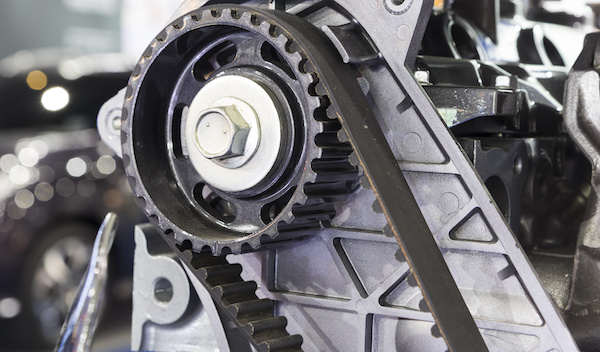
You really don't want your vehicle's timing belt to break. A damaged timing belt can cause expensive engine damage. To avoid this, replace the timing belt at the appropriate mileage intervals. Let's delve deeper into timing belts. Timing Belt Specifications Rubber timing belts have ridges which fit into the camshaft's teeth which then controls the crankshaft and valves. These piston-connected parts turn the camshaft, which opens and closes the valves via the crankshaft and pistons. Why Is It Called a Timing Belt? The timing belt regulates the valve and piston timing. They will collide if they do not open and close when it is their turn in the revolution. A car engine turns at thousands of revolutions per minute, and if the timing is even slightly off, a massive internal collision occurs. Timing Belt Failure When a timing belt fails, you will first hear a lot of noise before your engine completely shuts down, leaving you stranded. Even if you're driving fast on ... read more
Posted on 6/28/2022

Independence Day is days away. Many of you will be swimming, grilling, driving, lighting fireworks, drinking, or all of the above. While these activities are fun, you should know they come with their hazards. Specifically, did you know that the 4th is the most dangerous day for drivers in America? Read on to learn about how you can stay safe and have fun this holiday: Grill Keep children away from the grill. Never leave an open grill unattended. Practice safe food handling, and don’t let any foods sit out in the danger temperature zone for more than two hours. Fireworks Only light fireworks outdoors in a clear area and avoid pointing them towards people or other structures. Have a bucket of water nearby just in case things go wrong. Make sure the person setting off the fireworks is sober. Keep fireworks away from children. Sparklers are okay, but keep an eye out on them. Make sure fireworks are legal in your area before using them. Keep your pets i ... read more
Posted on 5/27/2022
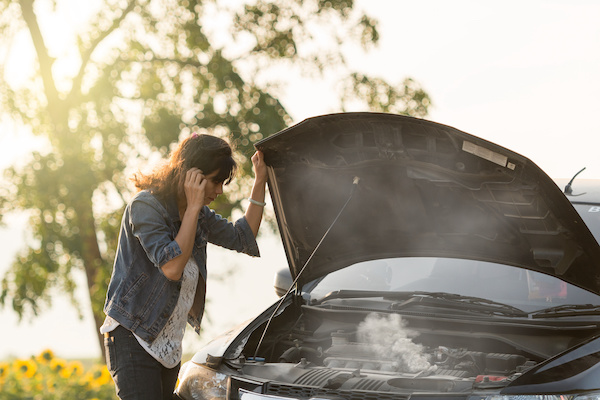
Engine overheating is one of the most common car problems that drivers face this time of year. As a result, it is important for drivers to be able to detect the cues of overheating. If you know what is ahead, then it won't catch you in complete shock. One of the first signs of overheating is smoke or steam coming from under the hood. Another way you can verify that it is overheating is by looking at the temperature gauge. If the temperature gauge reads high, then it means your car is too hot. While these signs may be very alarming, it is crucial that you stay calm. Following the detection of the signs mentioned above, you should first turn your car heater on. While it may seem odd, turning the heat on actually draws the heat away from your car engine. Next, you should find a safe spot to pull over. You turn off the engine as soon as your vehicle is able to stop. Turning off the car allows the engine to cool down quicker.&nbs ... read more
Posted on 4/15/2022
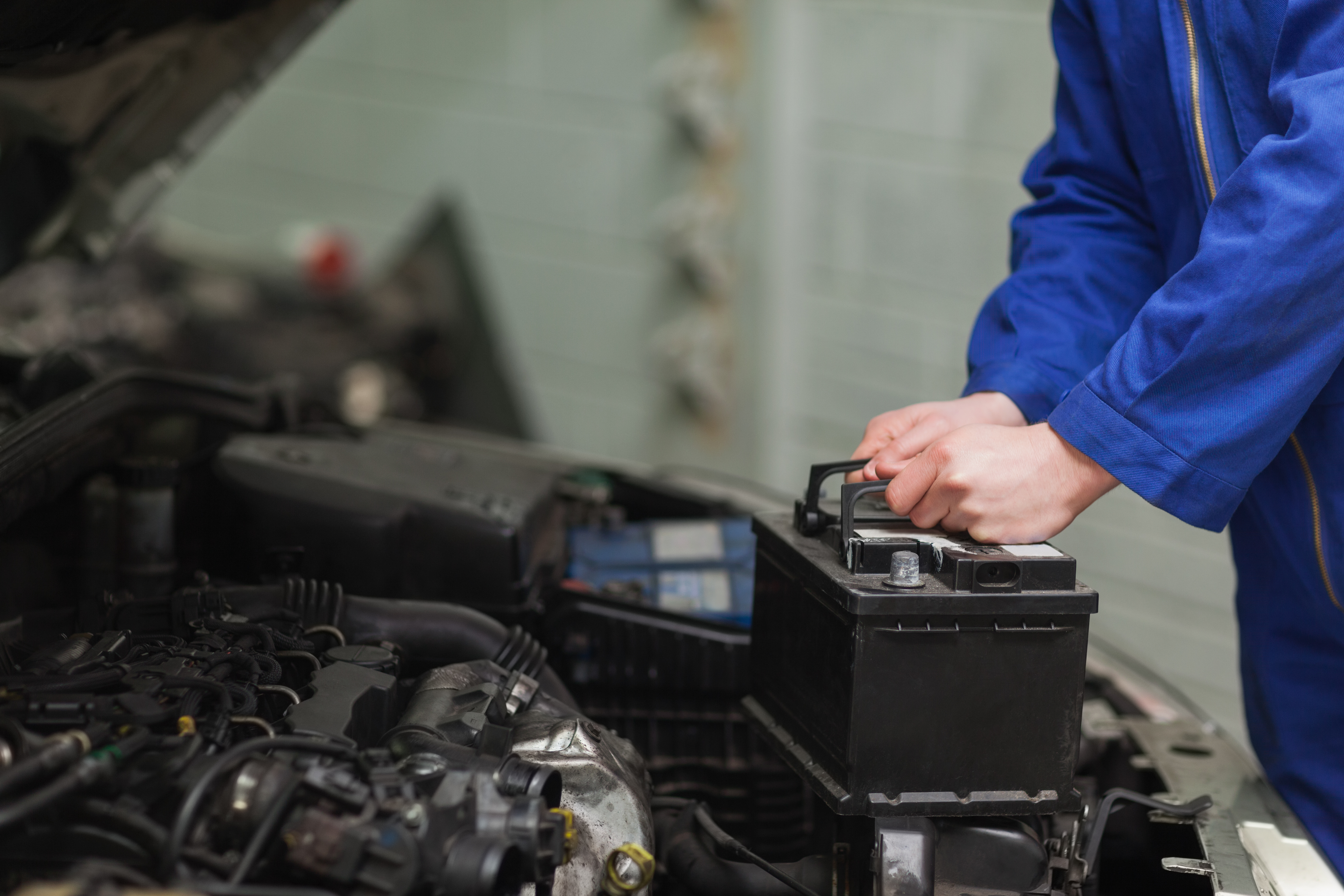
If you want to keep your car safe and functional, you need to have the car battery inspected regularly. A car battery inspection ensures that your battery can hold the charge and start your car when you need it to. A simple inspection now may prevent an expensive car electrical repair bill. If you notice that the cables to your batteries are cracked or the terminals are corroded, the time has come for you to get your vehicle serviced by a mechanic. UNDERSTANDING YOUR CAR BATTERY Understanding the parts that make up your car battery is key to understanding what your mechanic will do during an effective inspection of your battery. Your battery is enclosed in a case. This case protects the battery from vibration and impact. WHAT IS INSIDE THE BATTERY? When you look on the top lid, you will see two terminals. One is positive, and one is negative. When looking inside the battery, you will find a mixture of sulfuric acid and water. You will also see positive and negative plates that are ... read more
Posted on 4/1/2022
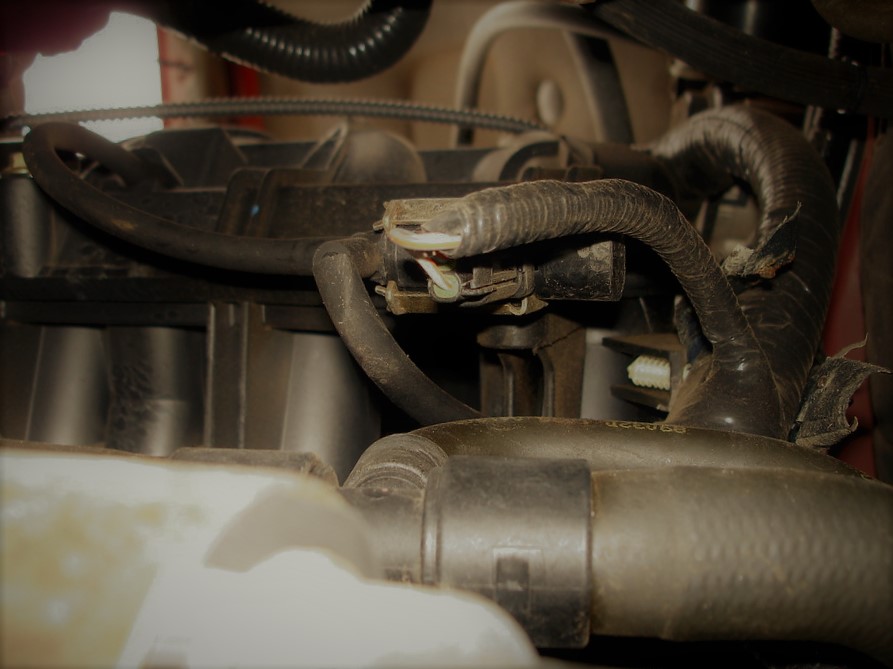
One of the most common problems to occur in the vacuum system is a leak. A vacuum leak refers to any leak that occurs between the engine and the mass airflow system. A leak can influence a vehicle’s fuel efficiency as well as potentially damage the engine. Upon discovering any symptoms that may indicate a vacuum leak, a certified mechanic must examine the situation to not risk the possibility of severe engine damage. WHY IS A VACUUM LEAK DANGEROUS? When there is a vacuum leak, the air to enter the system is unmetered, which has a domino effect of possible miscalculations. If unmetered air is entering the system, the amount of air becomes higher than it should be. The mass airflow sensor measures the amount of the air and it will be inaccurate, which in turn results in a miscalculation of the amount of fuel injected causing your engine to run on lean, which refers to when the fuel in your ignition is either too little or high, in this case too high. WHAT IS THE SEVERITY O ... read more