Posted on 9/25/2026
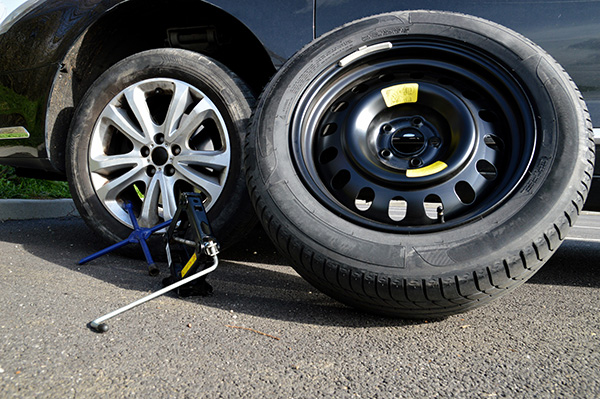
Lug nuts look simple, but they live in one of the harshest parts of the car. They are constantly exposed to water, road salt, brake dust, dirt, temperature changes, and repeated wheel removal. Over time, that combination can make them rust, swell, seize onto the studs, or become difficult to fit with a normal socket. When that happens, a basic tire rotation or flat-tire change can become a much bigger job. The lug nut may round off, the stud can snap, or the threads can be damaged while someone tries to force the hardware loose. Once we see corrosion starting, we pay attention to both the lug nuts and the studs behind them. Road Salt Is One of the Biggest Causes of Corrosion Salt used on winter roads speeds up corrosion anywhere bare or damaged metal is exposed. Lug nuts, wheel studs, and the wheel mounting area take a lot of abuse because they sit directly in the spray coming off the tires. Moisture and salt can work their way into the threads and remain there lon ... read more
Posted on 8/28/2026

When it is time to sell or trade in a vehicle, buyers want more than a clean exterior and a low odometer reading. They also want some confidence that the car has been cared for properly. A complete maintenance history gives them something concrete to review instead of relying only on the seller’s description. Service records cannot turn a neglected car into a valuable one, but they can make a well-kept vehicle easier to sell and easier to justify at a stronger price. Receipts, digital service histories, and repair invoices show what was done, when it was completed, and whether important maintenance was handled on schedule. Maintenance Records Show Consistent Care A stack of organized records tells a buyer that the vehicle received attention throughout its life. Oil changes, brake service, coolant replacement, transmission service, tire rotations, and other work create a timeline that shows how the car was treated. That history is especially helpful on higher ... read more
Posted on 7/31/2026
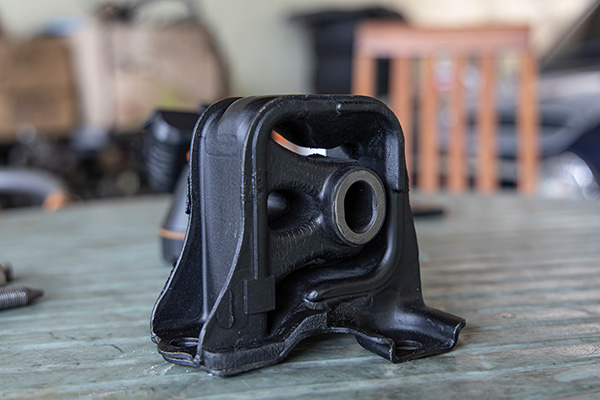
Engine mounts spend years absorbing movement that most drivers never notice. They hold the engine and transmission in position while keeping normal vibration from traveling through the floor, steering wheel, seats, and dashboard. As the rubber ages or a hydraulic mount begins to leak, that isolation gradually disappears. Because the change develops slowly, a driver may get used to the extra vibration without realizing how different the vehicle feels. A worn mount can also cause thumps, clunks, and excessive engine movement that may sound like transmission or engine trouble. Knowing the usual signs helps separate mount wear from other mechanical problems. The Vehicle Vibrates More At Idle One of the most common signs of a worn engine mount is stronger vibration while the vehicle is stopped. You may feel a steady buzz through the steering wheel, seat, center console, or floor while waiting at a red light. The vibration may become more noticeable when the transmission ... read more
Posted on 6/26/2026

Engine maintenance gets more interesting once you move past oil changes and filters. The next layer is understanding how the engine actually fires, why it starts to shake, and why a small ignition problem can turn into a check engine light. Spark plugs, ignition coils, misfires, and rough idle all connect to that same conversation. When these parts work correctly, the engine feels steady and responsive. When something gets weak, dirty, worn, or out of balance, the vehicle can start idling rough, hesitating, using more fuel, or flashing a warning light. Knowing the basics helps you catch problems before they spread. Spark Plug Maintenance And Engine Combustion Spark plugs ignite the air and fuel mixture inside each cylinder. That small spark has to happen at the right time, over and over, every time the engine runs. When the plug is clean and in good shape, combustion stays more consistent. As spark plugs wear, the gap can grow, deposits can build up, and the spark ... read more
Posted on 5/29/2026
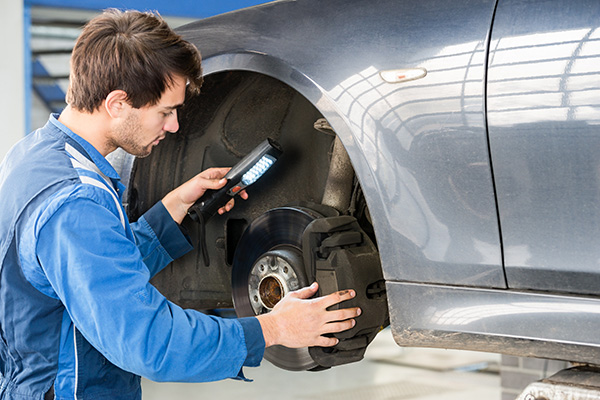
ABS, traction control, and stability warnings can make the dashboard look busier than the problem really is. One light comes on, then another, and it feels like several systems failed at once. A lot of the time, they are all reacting to the same missing piece of information. That information usually starts with the wheels. If one ABS sensor stops reporting wheel speed correctly, the car loses the data it needs to manage braking, tire slip, and stability control. The brakes may still feel normal, but the extra safety systems may not be working the way you expect. How One ABS Sensor Feeds Several Systems An ABS sensor reads how fast each wheel is turning. The anti-lock braking system uses that data to prevent wheel lockup during hard braking. If one wheel slows too quickly, ABS can pulse brake pressure to help the tire keep rolling. Traction control uses the same wheel speed data during acceleration. If one tire spins faster than the others, the system can reduce en ... read more