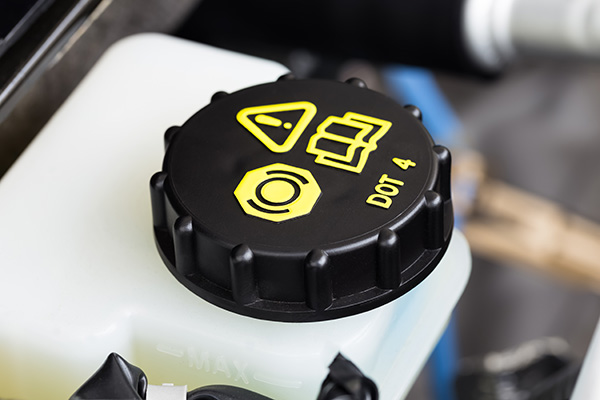
Brake pads usually give you a visible measurement to think about: how much usable material remains. Brake fluid is less obvious. The reservoir can look full, the pedal can feel familiar, and the fluid can still be overdue for service.
The replacement interval comes from the vehicle's maintenance requirements, with condition checks providing additional information. Many schedules use a time limit because fluid ages even when the car covers a few miles. Understanding what changes inside it helps explain why brake fluid service belongs on the calendar, not after the brakes start acting differently.
Brake Fluid Transfers Pedal Pressure Through the System
Hydraulic brake fluid carries pressure from the pedal-operated system to the components that apply the brakes. It must remain suitable for the temperatures and operating requirements involved. The specified fluid also needs to be compatible with the vehicle's seals, controls, and other equipment.
Using the right product is therefore part of the service. The fluid specification should come from the manufacturer, including any requirements for systems such as ABS. Brake fluids are not all interchangeable simply because they are sold in similar containers. An appropriate service follows the exact vehicle's fluid and bleeding requirements.
Most Road-Car Brake Fluid Absorbs Moisture Over Time
Common glycol-based brake fluids absorb moisture. The system is designed to limit exposure, but seals, service activity, and the reservoir arrangement do not make the fluid permanently immune to aging. Moisture can gradually change its properties during ordinary ownership.
One important effect is a lower boiling point. Brakes generate heat, particularly during repeated or demanding stops. Fluids containing too much moisture have less protection against boiling under those conditions. You may not notice that reduced margin on a quiet drive around Reading, which is one reason normal pedal feel does not establish the fluid's remaining service life.
Old Brake Fluid Can Become a Problem During Heavy Braking
If fluid boils in a hot part of the hydraulic system, vapor can form. Unlike the liquid the system depends on, vapor compresses more readily. That can interfere with pressure delivery and produce an unsafe change in braking response.
This is different from ordinary pad wear, although both can affect braking. The inspection needs to connect any symptom with the system's actual condition. A sinking pedal, major loss of braking, or a serious brake warning requires stopping safely and arranging assistance. Scheduling a fluid change later is not an appropriate response to braking that has become unreliable now.
Brake Fluid Aging Can Affect Internal Components
Brake fluid includes protective properties intended to support the hydraulic system. Aging, moisture, and contamination can increase concerns about corrosion or deterioration inside components. Metal lines, cylinders, calipers, and hydraulic control equipment can all need attention if conditions become unsuitable.
Replacing fluid renews the fluid supply, but it does not repair a corroded line, sticking caliper, or damaged seal. That distinction helps explain why an inspection may recommend both fluid service and a component repair. The shop should identify what condition supports each item rather than suggesting that fresh fluid will correct every brake complaint.
Brake Fluid Change Timing Should Follow the Vehicle Schedule
Start with the owner's manual and the maintenance information for the model and year. If the manufacturer specifies a time-based interval, follow it even when mileage is low. Some vehicles have different requirements, so borrowing a friend's schedule can leave your car overdue or lead to unnecessary service.
If you cannot find a record of the last change, say so when booking. The shop can review the requirements and assess the fluid and system rather than guessing from the vehicle's age. Certain operating conditions or contamination can also justify attention before a normal scheduled interval. The recommendation should explain that reason clearly.
Brake Fluid Color and Reservoir Level Tell Different Stories
Dark fluid can be a reason for further assessment, but color alone does not establish the moisture content or boiling performance. Fluid that looks reasonably clear can still have reached its required replacement time. An appropriate test needs to suit the fluid and the information being assessed.
The level answers another question. It can change as pads wear, and an unexpected loss can indicate a leak. Repeatedly adding fluid does not explain either condition. Have the brakes checked before treating a low reservoir as an isolated top-off task, particularly if pedal behavior or a warning light has changed too.
Ask These Questions About Brake Fluid Service
These five questions help make the service recommendation understandable.
- What replacement interval applies to my vehicle?
- Is the last fluid change documented by date and mileage?
- What inspection or test findings support service now?
- Which fluid specification and bleeding procedure will be used?
- Are any brake repairs needed in addition to replacing the fluid?
Brake pad or rotor work and brake fluid service are separate tasks. They may be appropriate during the same appointment when the fluid is due, or the repair requires hydraulic work, but replacing one component does not automatically establish the need for every other service. Ask how the proposed work fits your car's condition and history.
Brake Fluid Replacement Should Be Verified Properly
A reservoir-only fluid removal is not the same as renewing fluid through the hydraulic system. The required procedure may include particular bleeding steps or electronic functions, depending on the vehicle and work performed. The shop should follow the service information and check the completed result.
Keep the invoice showing when the service happened and the fluid used. That gives the next interval a clear starting point. If braking feels different afterward, report it promptly so the team can evaluate the system. Fluid maintenance should support dependable operation, with the relevant checks completed rather than simply a cleaner-looking reservoir.
Schedule Brake Fluid Service in Reading, PA
Auto Pro in Reading, PA, can review your brake fluid schedule and inspect related braking concerns. Bring your maintenance records and describe any pedal changes, warning messages, or repeated fluid additions.
Contact us to schedule brake fluid service or a brake-system inspection.