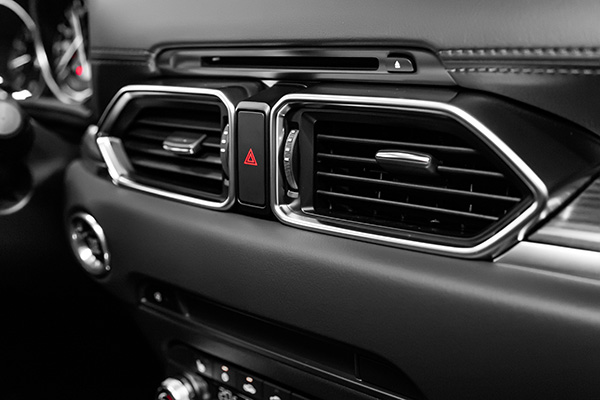
You set the heater to 75 degrees, but cold air keeps blowing out of the vents.
Turn the temperature all the way up, and nothing changes. Or maybe the driver's side is hot while the passenger side feels like the A/C is still on. Those symptoms often point to the blend door inside the dashboard, even when the engine temperature stays normal. A failing blend door actuator is a common cause, but you should check the control system before taking apart the dashboard.
What the Blend Door Actuator Does in the HVAC System
The heater core carries hot engine coolant, while the air conditioning evaporator provides cooling. Inside the HVAC housing, a blend door directs or mixes airflow so the vents deliver the temperature you select. The actuator is a small electric motor and gear assembly that moves the door to the requested position.
On many vehicles, the climate control computer commands that motor based on the dashboard settings and temperature sensor feedback.
When the actuator stops moving correctly, the air stays too hot, too cold, or somewhere in between. The blower may work perfectly because moving air and controlling air temperature are separate jobs. That's why replacing the blower motor doesn't fix a stuck temperature door.
Signs the Blend Door Actuator Is Failing
A bad actuator often shows up as a temperature setting that no longer responds. You turn the knob from cold to hot, but the vent temperature barely changes. On dual-zone systems, one side may behave normally while the other stays cold or hot. Some actuators fail intermittently, working again after a restart before sticking later.
An actuator motor, jammed blend door, or climate-control command fault each creates a slightly different pattern.
When the cabin temperature changes unpredictably, note the affected vents and if the problem appears after the vehicle sits. Those details help identify which actuator or door needs inspection on vehicles with several separate HVAC motors.
Clicking or Knocking Behind the Dashboard
Many blend door actuators use small plastic gears. When the teeth wear or break, the motor keeps trying to move the door and produces a repetitive clicking or tapping behind the dashboard. The sound often appears when you start the car or change the temperature setting.
Not every clicking sound comes from the temperature blend door. Other HVAC doors control air direction and fresh-air recirculation, and their actuators can fail too. We listen for when the noise occurs and which dashboard command triggers it. Replacing the wrong actuator doesn't help when the clicking comes from a separate air distribution door farther inside the housing.
Why Dual-Zone Climate Control Blows Different Temperatures
Dual-zone systems often use separate blend doors or control arrangements for the driver and passenger areas. If one side blows hot while the other stays cold despite similar settings, the fault may be limited to one actuator, temperature sensor, or door. The engine supplies the heat, but a side-to-side temperature difference points toward the HVAC air-mixing system.
Dual-zone systems aren't all built alike. We identify the exact actuator and air-door layout before ordering parts.
A stuck door, stripped gear, incorrect calibration, or faulty control signal can all leave one side behaving differently. An HVAC-capable scan tool reads climate-control faults and actuator positions that a basic engine code reader misses.
Blend Door Problems vs. Low Coolant or a Bad Thermostat
A heater that blows cold isn't always an actuator problem. If the engine runs too cool because the thermostat is stuck open, the heater core won't receive enough heat. Low coolant or poor circulation can also reduce cabin warmth and sometimes cause overheating. The blend door only controls airflow. It doesn't create heat on its own.
Describe these details before the inspection:
- Temperature settings that no longer respond
- Clicking when adjusting the heater
- One side hot while the other side is cold
If the engine temperature is climbing and the heater suddenly stops producing heat, prioritize a cooling system inspection. That combination can be a more serious problem than an actuator behind the dash.
Why HVAC Actuators Sometimes Need Calibration
On certain vehicles, the climate control system learns the door positions through a calibration or initialization procedure. Disconnecting the battery, replacing an actuator, or losing stored position information can change how the system interprets door movement. A working actuator may need proper relearning before it responds correctly.
Other times, the motor or gears are physically damaged, and calibration won't fix them.
We check relevant HVAC fault codes, command actuator movement where supported, and inspect response before ordering parts. A door jammed inside the housing also prevents a healthy actuator from moving. The test needs to separate a failed motor from a door that is stuck for mechanical reasons.
What to Expect During Blend Door Actuator Repair
The repair depends heavily on where the actuator is installed. Some sit near a removable lower dashboard panel and are relatively easy to reach. Others require additional trim or more substantial dashboard disassembly. We confirm the actuator location and the vehicle's service procedure before estimating labor.
Once the failed component is replaced or the door problem is corrected, the system may require calibration.
We then check the full temperature range and confirm that driver and passenger controls work as intended. A successful repair should restore predictable vent temperatures without clicking or unexpected changes, not simply turn off a stored code.
Get Blend Door Actuator and Car Heater Repair in Reading, PA, With Auto Pro
Auto Pro in Reading, PA, checks heater controls, blend door actuators, HVAC temperature sensors, and cooling system condition when the vents blow the wrong temperature. We'll identify the fault in the dashboard controls or engine cooling system before recommending repairs.
If the temperature knob no longer changes the air coming from the vents, have the blend door operation tested before replacing unrelated heater parts.